

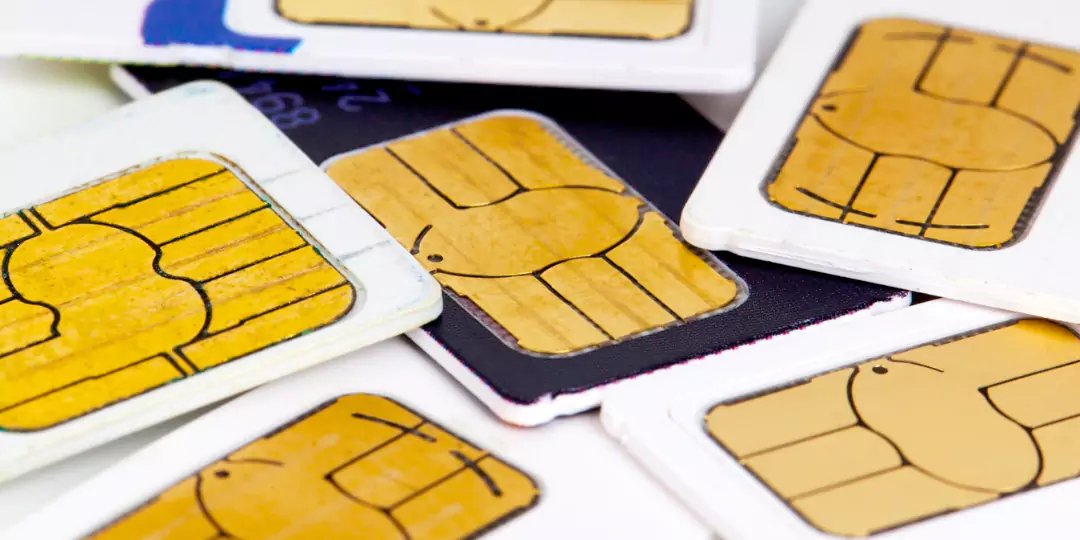
India’s digital communication landscape is set for a major shift as the Department of Telecommunications (DoT) proposes mandatory SIM Binding for all online messaging platforms. This move aims to tighten security, curb online fraud, and establish stronger user accountability — but it also raises important questions about privacy, compliance, and the future of digital communication.
📱 SIM Binding Mandatory for Online Messaging Apps: What It Means, Why It Matters, and How It Impacts You
India is witnessing a surge in cyber fraud, impersonation scams, anonymous harassment, and illegal digital activities. To counter these rising security threats, the Department of Telecommunications (DoT) is now working on a strict regulation that would make SIM Binding compulsory for all online messaging platforms — including popular apps used daily by millions.
Under SIM Binding, every messaging account must be directly linked to the SIM card and mobile number used on the device. This will ensure that each digital identity is tied to a verified user, reducing misuse and boosting transparency across online communication channels.
🔒 Why SIM Binding? The Core Purpose Behind the Move
The DoT’s proposal is built on three major objectives:
1️⃣ Stronger Digital Security
Anonymous accounts are often used for:
- financial fraud
- impersonation crimes
- threatening or abusive messages
- illegal digital transactions
SIM Binding makes it easier to trace offenders and stop misuse at the source.
2️⃣ Breaking Fraud Networks
Scammers often use multiple unverified numbers or virtual accounts.
Mandatory SIM-based verification will make it much harder to operate such networks.
3️⃣ Cleaner Digital Ecosystem
The rule promotes:
- verified identities
- safer digital interactions
- improved trust between users and platforms
By linking messaging accounts with SIM data, India aims to build one of the world’s most secure communication ecosystems.
📌 How SIM Binding Will Affect Users
✔ No Anonymous Accounts
Every account on a messaging app must match the mobile number registered on your SIM.
✔ Mandatory Number Verification
Platforms may have to re-verify your number when logging in or switching devices.
✔ Faster Reporting & Blocking
Illegal activity can be traced instantly, ensuring quicker action by authorities.
✔ More Responsibility for Platforms
Messaging apps must upgrade their systems to match SIM information with user accounts.
⚠️ Concerns & Debates Around SIM Binding
While the rule aims to strengthen security, it’s also triggering debates on:
🔹 Privacy
Users worry that linking accounts too tightly may affect anonymity and personal data protection.
🔹 Data Storage Responsibilities
Apps will need strong encryption and large-scale verification systems.
🔹 Impact on Multi-Device Use
Using the same app on multiple devices may require additional authentication steps.
🔹 Cross-Platform Compliance
International platforms will face challenges adapting to India-specific rules.
Despite these concerns, the government emphasizes that the goal is not surveillance but user safety and fraud prevention.
🌐 What This Means for the Future of Messaging in India
Mandatory SIM Binding could reshape how Indians use messaging apps.
Expect:
- more secure conversations
- swift crackdown on scams
- less spam & abuse
- increased accountability
- more advanced verification features
India is moving towards a more transparent and safer digital environment, and messaging apps will play a crucial role in this transformation.