

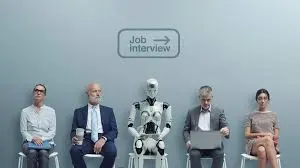
Artificial Intelligence is no longer a futuristic concept—it is actively reshaping industries across the world in 2026. From automated customer service systems to advanced data analysis tools, AI is transforming how businesses operate. But one pressing question continues to dominate global discussions: Is AI replacing jobs, or is it creating new opportunities?
The answer is more complex than a simple yes or no. While AI is automating certain roles, it is simultaneously generating entirely new career paths and redefining the future of work.
How AI Is Replacing Traditional Roles
AI technology has significantly improved in handling repetitive and data-driven tasks. Industries such as manufacturing, customer support, logistics, and banking are increasingly using automation tools to increase efficiency and reduce operational costs.
Jobs most affected include:
- Routine data entry roles
- Basic customer service positions
- Repetitive manufacturing tasks
- Standardized administrative functions
Automation in these areas allows companies to improve productivity and accuracy, but it also reduces the demand for certain traditional roles.
The Rise of New AI-Driven Careers
While some jobs are being automated, AI is creating entirely new categories of employment. As companies adopt advanced technologies, they require skilled professionals to manage, develop, and optimize these systems.
Emerging roles in 2026 include:
- AI specialists and machine learning engineers
- Data analysts and AI ethicists
- Automation consultants
- Cybersecurity experts
- AI integration managers
In addition, many traditional jobs are evolving rather than disappearing. Professionals are learning to work alongside AI tools, improving efficiency and expanding their skill sets.
The Shift Toward Skill-Based Employment
The AI revolution is accelerating the importance of skills over degrees. Employers are prioritizing digital literacy, problem-solving ability, adaptability, and technical expertise.
Workers who invest in:
- Coding and programming
- Data interpretation
- Digital marketing automation
- Cloud computing
- Creative and strategic thinking
are finding more opportunities rather than fewer.
AI is not eliminating human value—it is increasing the need for advanced, adaptable skills.
Industries Benefiting From AI Growth
Certain sectors are experiencing rapid expansion due to AI innovation:
- Healthcare: AI-powered diagnostics and patient data analysis
- Finance: Fraud detection and predictive analytics
- Education: Personalized learning platforms
- E-commerce: Smart recommendations and supply chain optimization
- Media and marketing: AI-driven content and performance analysis
These industries are creating thousands of new roles that did not exist a decade ago.
Challenges and Concerns in 2026
Despite the opportunities, AI adoption raises valid concerns. Job displacement, income inequality, and the need for continuous reskilling are serious issues.
Governments, educational institutions, and businesses must collaborate to:
- Provide skill development programs
- Support workforce transition
- Encourage innovation responsibly
The future workforce will require lifelong learning to remain competitive.
So, Is AI Replacing Jobs or Creating Them?
The truth in 2026 is clear: AI is both replacing certain repetitive jobs and creating higher-value opportunities. The real shift is not about job loss—it is about job transformation.
Those who adapt, learn new skills, and embrace technological change are likely to thrive. Those who resist change may face greater challenges.
Conclusion
Artificial Intelligence is not simply taking jobs away—it is reshaping the global employment landscape. In 2026, the future of work belongs to those who are prepared to evolve alongside technology. AI is creating smarter workplaces, more efficient systems, and new professional pathways.
Rather than fearing AI, individuals and businesses must focus on adaptation, upskilling, and innovation. The question is no longer whether AI will impact jobs—it already has. The real question is how prepared we are for the transformation.