

US Warns India: Tariffs Could Rise Over Russian Oil
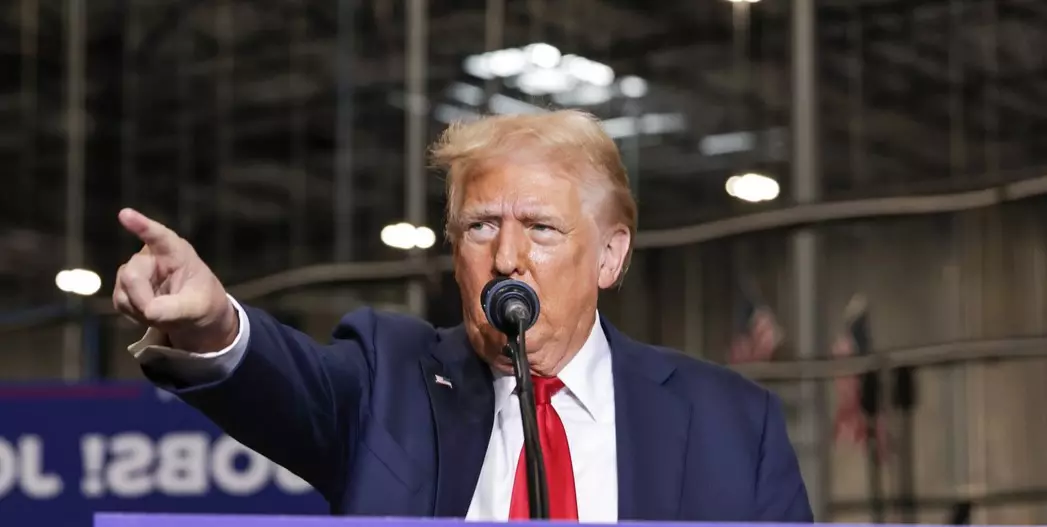
In a recent development, US President Donald Trump issued a strong warning to India, stating that Washington could increase duties on Indian goods if New Delhi does not reduce its imports of Russian crude oil. This warning comes amid the ongoing Russia–Ukraine war, highlighting how geopolitics is now directly influencing international trade policies.
Trump’s statement emphasized that while he holds Prime Minister Narendra Modi in high regard, the US may resort to raising tariffs on Indian exports if India continues to rely heavily on discounted Russian oil.
Why the US Is Linking Trade and Geopolitics
The US has been actively pressuring countries globally to cut economic ties with Russia, particularly in the energy sector. India, which became one of the world’s largest buyers of Russian crude after 2022 due to deep discounts, is now facing potential economic consequences from its oil strategy.
The warning signals a broader trend where trade policy and geopolitical strategy intersect: countries importing Russian energy may face punitive measures, and India’s role as a major energy consumer is under scrutiny.
Potential Impact on India’s Economy
1. Higher Export Costs
If tariffs are increased, Indian exporters in sectors like textiles, gems and jewelry, and manufactured goods may find their products less competitive in the US market. This could affect revenue and employment in labor-intensive industries.
2. Diplomatic Strain
The warning adds pressure on India-US diplomatic relations, complicating ongoing trade negotiations. India has been advocating for its energy independence and affordability, while the US is linking trade incentives to strategic cooperation on global security issues.
3. Market Repercussions
Stock markets and export-driven sectors may see fluctuations due to uncertainty over US trade policy. Businesses may need to diversify export markets or reconsider supply chains to mitigate risks.
What India Can Do
- Engage in bilateral talks with the US to clarify trade and energy policies.
- Explore alternative export markets to reduce dependency on the US.
- Maintain a balanced foreign policy that ensures energy security while managing global diplomatic expectations.
Conclusion
President Trump’s tariff warning highlights the increasingly complex link between trade and geopolitics. India now faces a delicate balancing act: continuing to secure affordable energy for its growing economy while managing diplomatic and trade relations with global powers.