

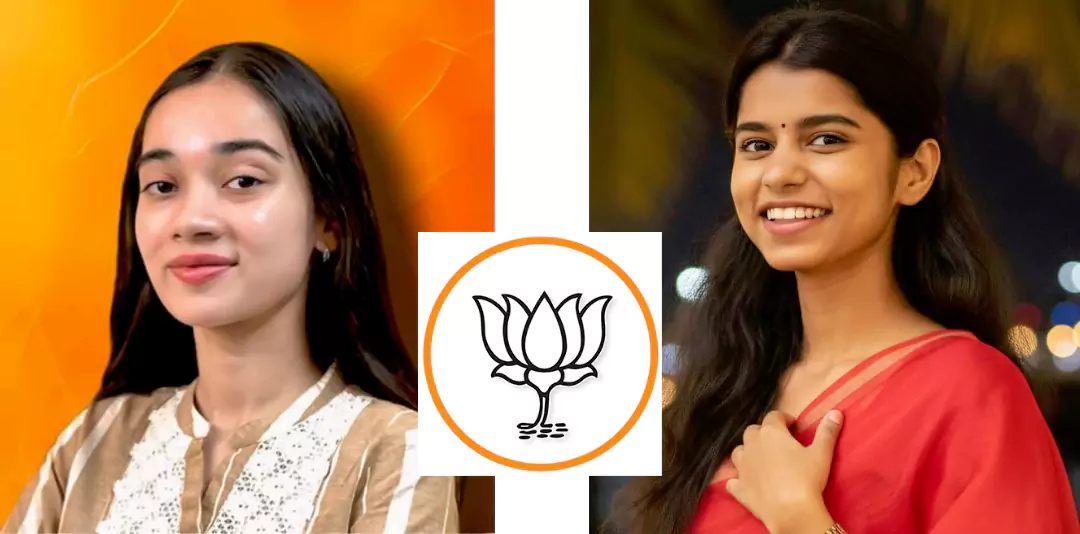
Indian politics is witnessing a noticeable shift as younger leaders are gaining real electoral opportunities and responsibilities at an early age. Recent victories by candidates in their early twenties have sparked conversations about a broader trend of youth participation and generational change in governance.
These developments reflect a growing acceptance among voters and political organizations that leadership potential is no longer tied strictly to age or long political tenure.
Examples of Young Electoral Success
Among the recent highlights:
- Kashish Fulwaria became a Brihanmumbai Municipal Corporation (BMC) corporator at just 22 years old, marking one of the youngest entries into municipal governance in Mumbai.
- Maithili Thakur secured a win from Alinagar at the age of 25, further underlining the rising presence of young representatives in legislative roles.
Such victories are drawing attention because they demonstrate that young candidates are not only participating but also winning competitive elections, earning the trust of voters in their constituencies.
Why Youth Leadership Is Gaining Ground
Several factors are contributing to this emerging trend:
1. Changing Voter Demographics
India has one of the world’s youngest populations. With a large percentage of voters under 35, there is a growing desire for leaders who understand contemporary issues such as employment, education, technology, and entrepreneurship.
2. Grassroots Engagement
Young leaders are often seen engaging directly with communities through social outreach, local activism, and digital platforms, helping them connect more closely with first-time and young voters.
3. Organizational Support
Political parties across the spectrum have increasingly started providing opportunities to younger candidates in local bodies, state assemblies, and even parliamentary contests. Observers note that structured youth wings and leadership programs are helping groom young aspirants for public office.
Role of National Political Trends
Many political observers point out that early-age electoral wins are becoming more visible in recent years, especially within parties that have emphasized youth participation and leadership development. This approach is often presented as part of a broader strategy to bring fresh perspectives into governance and long-term political planning.
However, analysts also note that youth representation is a cross-party phenomenon that reflects wider social and demographic changes, rather than being limited to any single political organization.
Opportunities and Challenges for Young Leaders
While early political success is a significant milestone, young leaders also face unique challenges:
- Balancing experience with innovation
- Managing administrative responsibilities at a young age
- Meeting high public expectations
Support systems, mentorship, and institutional guidance play a key role in helping young representatives transition from campaigners to effective policymakers.
A Generational Shift in Governance
The rise of young leaders signals a gradual generational shift in Indian politics, where leadership is increasingly defined by ideas, engagement, and adaptability rather than just years of experience. As more young individuals step into public roles, governance may see new approaches to communication, technology use, and policy priorities.
This trend suggests that Indian democracy is evolving to reflect its youthful population, giving emerging leaders the chance to shape the country’s political and developmental future.
Conclusion
The electoral successes of leaders like Kashish Fulwaria and Maithili Thakur highlight a growing trust in youth leadership across India. As political participation expands among younger generations, the country may continue to see fresh faces entering governance, marking a new chapter in democratic representation.