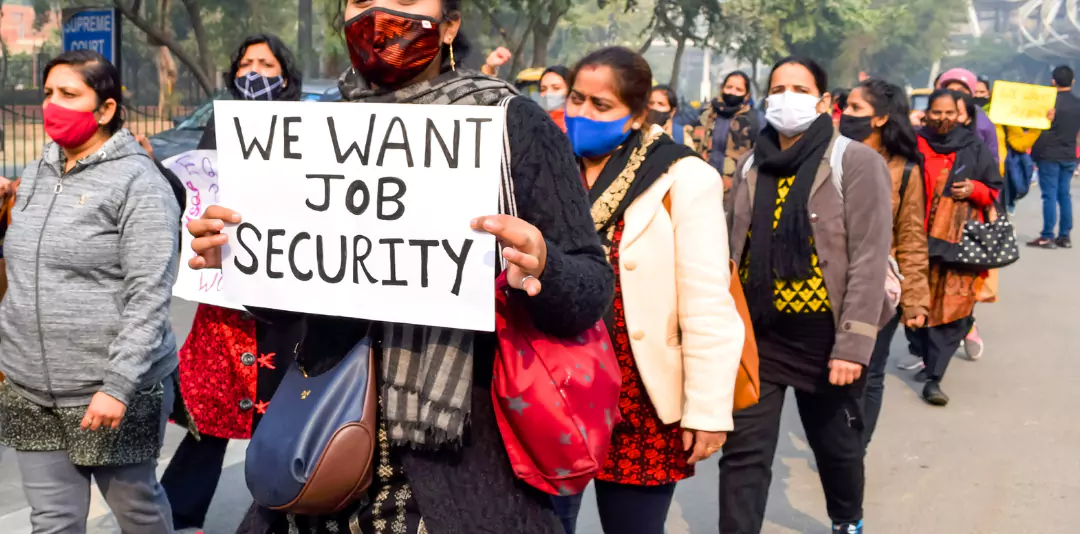


Across cities and small towns alike, public protests are once again becoming a familiar sight in India. From streets filled with slogans to social media flooded with debate, public anger is finding louder expression. While protests have always been part of a democratic society, the frequency and intensity seen today raise an important question: what is fueling this growing wave of public unrest?
Understanding the reasons behind these protests offers insight into the concerns shaping India’s present—and its future.
Economic Pressure Is Testing Public Patience
One of the strongest triggers behind rising protests is economic stress. Inflation, rising daily expenses, job insecurity, and uneven income growth have left many households feeling uncertain.
For students, young professionals, farmers, and middle-class families, the pressure is real. When wages fail to match rising costs, frustration builds—and protests become a way to demand accountability and relief.
Youth Voices Are Louder Than Ever
India’s youth population is more informed, more vocal, and more connected than any generation before. Young people today are not willing to wait silently when they feel their futures are at stake.
Issues like employment opportunities, education quality, competitive exams, and fair recruitment processes often spark youth-led demonstrations. Social media amplifies these voices, turning local concerns into national conversations overnight.
Trust Gaps Between Citizens and Institutions
Public protests often reflect a deeper issue—a lack of trust. When citizens feel unheard or excluded from decision-making, dissatisfaction grows.
Delays in justice, lack of transparency, policy confusion, or unfulfilled promises can push people to the streets. Protests, in this sense, become a demand not just for change, but for clarity and communication.
Social and Identity-Based Concerns
India’s diversity is both its strength and its challenge. Protests related to social justice, regional identity, cultural issues, and representation have become more visible.
Communities mobilize when they feel marginalized or overlooked. These movements often aim to protect rights, dignity, and equal treatment, reflecting the evolving social landscape of the country.
The Role of Social Media in Mobilizing Protest Movements
Digital platforms have transformed how protests are organized and spread. A single post, video, or hashtag can mobilize thousands within hours.
Social media creates awareness, builds solidarity, and keeps public attention focused on issues that might otherwise be ignored. While this speeds up activism, it also increases the scale and intensity of public reactions.
Why Protests Are Becoming More Frequent
- Rising cost of living
- Youth unemployment concerns
- Policy dissatisfaction
- Demand for transparency and fairness
- Faster information sharing through digital platforms
- Growing awareness of rights and civic participation
Together, these factors are shaping a more assertive and politically aware public.
What This Means for India’s Democracy
Protests are not merely expressions of anger—they are signals. They indicate that citizens want to be heard, policies reconsidered, and systems improved.
When addressed constructively, public protests can strengthen democracy by encouraging dialogue and reform. Ignoring them, however, risks widening the gap between governance and public sentiment.
Conclusion
The surge in public protests across India reflects a nation in transition—one where citizens are increasingly aware, engaged, and unwilling to stay silent. Economic pressures, youth aspirations, social concerns, and digital influence have come together to reshape public expression.
Rather than viewing protests only as disruptions, they should be seen as conversations in motion. How these voices are heard and addressed will play a crucial role in shaping India’s social and political direction in the years ahead.