
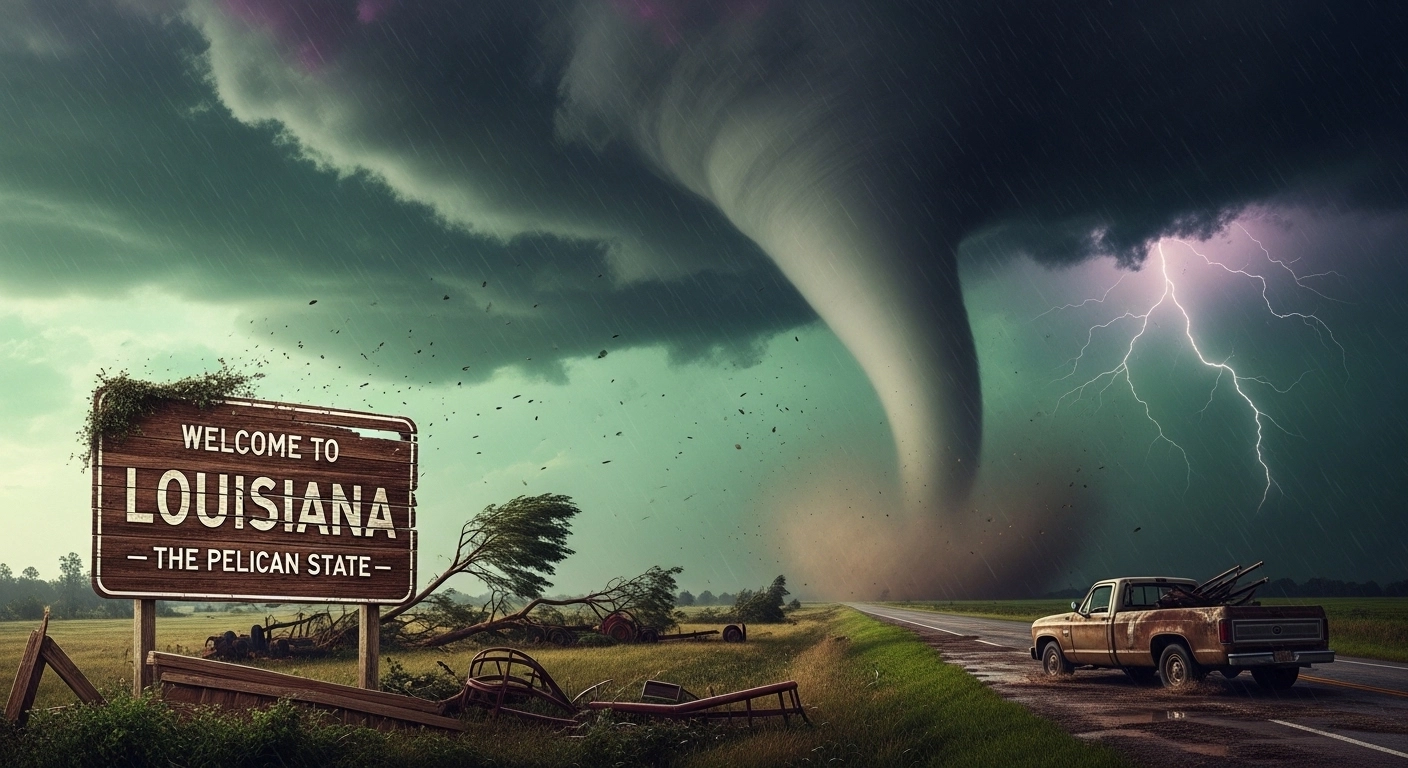
Louisiana frequently faces severe weather threats, especially during late winter and spring when atmospheric conditions become highly unstable. A tornado warning in Louisiana is one of the most serious weather alerts issued and requires immediate action from residents.
This detailed guide explains what a tornado warning means, why Louisiana is vulnerable, how recent storm systems have impacted the region, and what safety measures you should follow.
What Is a Tornado Warning?
A tornado warning is issued when:
- A tornado has been visually confirmed, or
- Doppler radar indicates strong rotation capable of producing a tornado
This means a tornado is either occurring or about to occur in a specific area. Unlike broader weather alerts, a tornado warning targets a smaller geographic location and usually lasts between 30 to 60 minutes.
When a warning is issued, it is not a precaution — it signals immediate danger.
Why Louisiana Is Prone to Tornado Warnings
Louisiana’s geography and climate make it particularly vulnerable to severe storms.
1️⃣ Gulf Moisture
Warm, humid air from the Gulf of Mexico provides fuel for powerful thunderstorms.
2️⃣ Cold Front Collisions
When cooler air masses collide with warm Gulf air, instability increases, creating ideal conditions for rotating storms.
3️⃣ Wind Shear
Strong changes in wind speed and direction with height help thunderstorms develop rotation, which can lead to tornado formation.
Because of these factors, tornado warnings are commonly issued in Louisiana during severe weather outbreaks.
Recent Tornado Threat Patterns in Louisiana
In recent severe weather setups across the Gulf Coast region, strong storm systems have triggered multiple tornado warnings in southeastern and central Louisiana. These storms often bring:
- Damaging straight-line winds
- Heavy rainfall and flash flooding
- Downed power lines
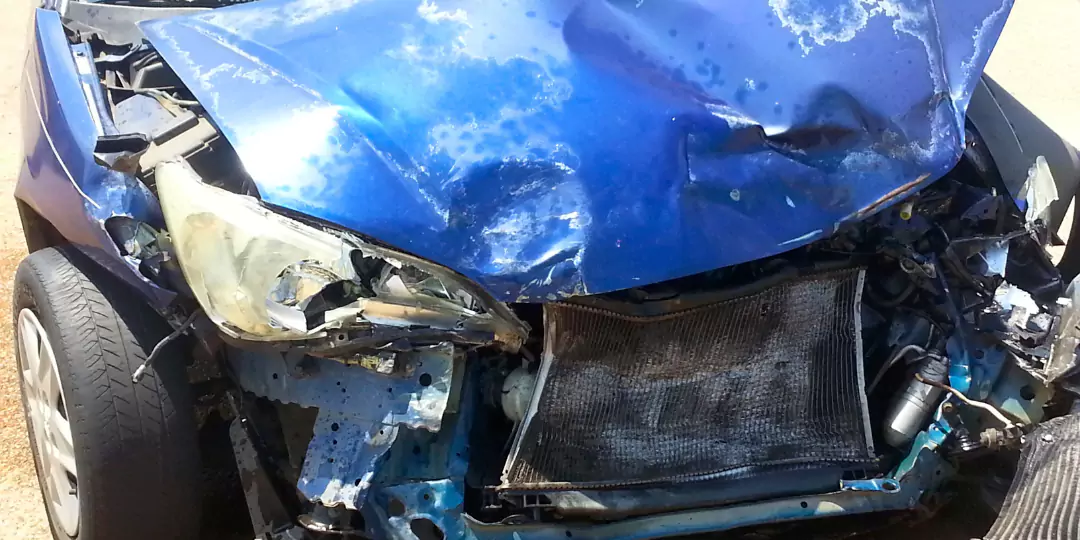
- Structural damage
- Short-lived but intense tornadoes
While not every tornado warning results in a confirmed tornado touchdown, the risk is significant enough to require immediate safety action.
Tornado Warning vs Tornado Watch
Understanding the difference can save lives:
| Alert Type | Meaning | Action Required |
|---|---|---|
| Tornado Watch | Conditions are favorable for tornado development | Stay alert and be prepared |
| Tornado Warning | Tornado detected or imminent | Take shelter immediately |
In simple terms:
Watch = Be Ready
Warning = Take Action Now
What To Do During a Tornado Warning in Louisiana
If you are under a tornado warning:
🏠 Seek Immediate Shelter
- Go to a basement if available
- Otherwise, move to an interior room on the lowest floor
- Stay away from windows and exterior walls
🛏 Protect Yourself
- Cover your head and neck
- Use a mattress, heavy blanket, or helmet for protection
🚗 Avoid Dangerous Locations
- Do not stay in a car
- Mobile homes are extremely unsafe
- Avoid large open spaces
📱 Stay Informed
- Keep emergency alerts enabled
- Use weather apps or battery-powered radios
How to Prepare Before Severe Weather Hits
Preparation reduces panic and improves safety outcomes.
✔ Create a family emergency plan
✔ Identify the safest shelter location in advance
✔ Prepare an emergency kit with water, flashlight, batteries, and first aid supplies
✔ Keep phones fully charged during storm threats
Impact of Tornadoes in Louisiana
Tornadoes in Louisiana can range from brief EF0 storms to stronger, more destructive systems. Damage can include:
- Roof and siding destruction
- Uprooted trees
- Power outages
- Road blockages
- Property and infrastructure damage
Even weaker tornadoes can cause serious injuries due to flying debris — the leading cause of tornado-related harm.
Final Thoughts
A tornado warning in Louisiana is a serious weather alert that demands immediate action. With the state’s vulnerability to Gulf-driven storm systems, understanding these warnings and responding quickly can save lives.