

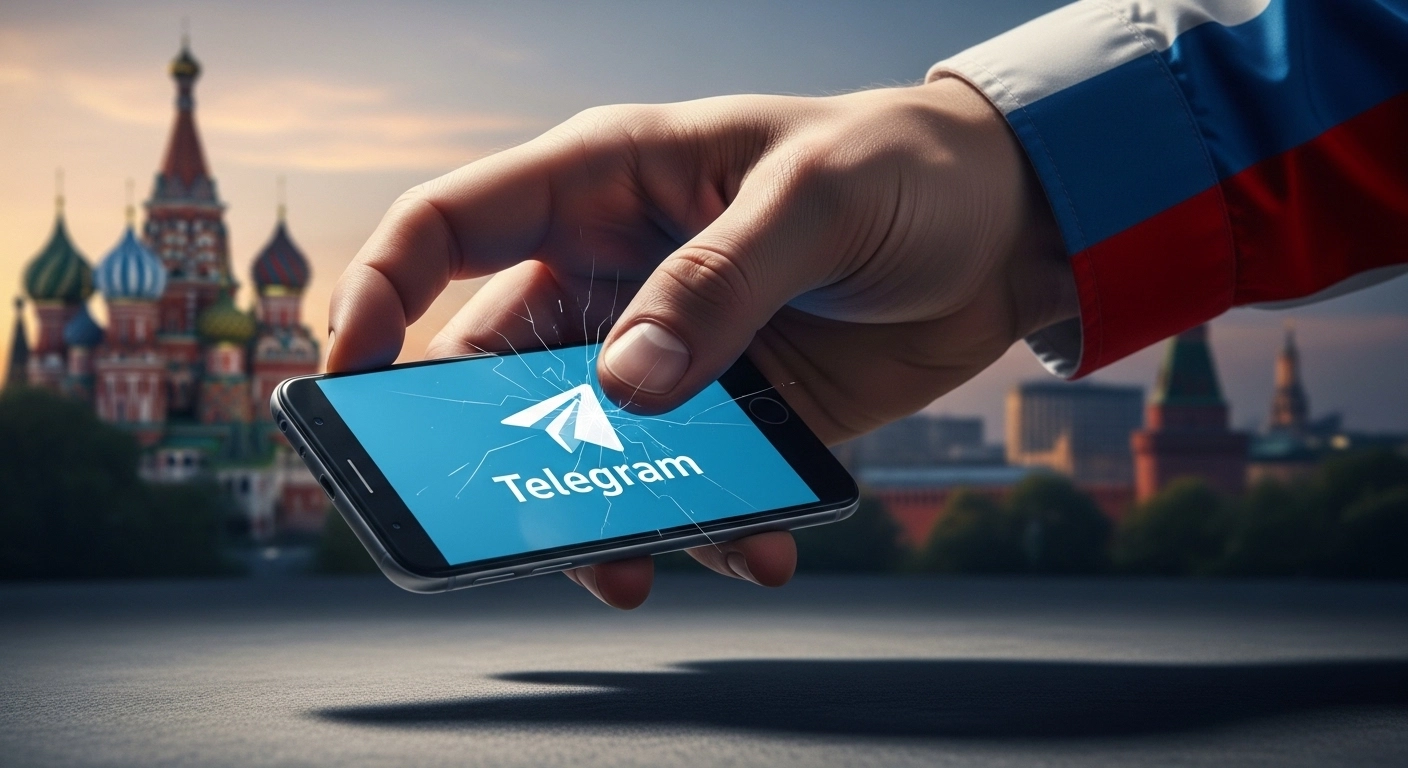
Russia has intensified restrictions on the popular messaging platform Telegram, marking a significant shift in the country’s digital policy. The move is part of a broader strategy to tighten control over foreign technology platforms and strengthen what authorities describe as “digital sovereignty.”
With millions of users relying on Telegram for communication, news, and business, the development has sparked debate over internet freedom, data privacy, and government oversight.
Why Is Russia Restricting Telegram?
Russian authorities, led by communications regulator Roskomnadzor, argue that the platform has failed to comply with national laws related to:
- Content moderation requirements
- Removal of banned or extremist materials
- Data storage regulations
- Cooperation with investigations
Instead of a complete ban, regulators have reportedly used throttling techniques—slowing down certain services such as media downloads—to pressure compliance.
Telegram’s Role in Russia
Telegram remains one of the most widely used messaging apps in the country. Founded by Pavel Durov, the platform is known for its strong encryption features, large public channels, and relative independence from state influence.
In Russia, Telegram is used for:
- Personal communication
- Business coordination
- News distribution
- Political commentary
- Emergency updates
Because of its popularity and encryption standards, it has become central to digital discourse in the country.
The Broader Digital Strategy
The restrictions on Telegram appear to be part of a larger policy direction aimed at:
1️⃣ Promoting Domestic Alternatives
Authorities have encouraged the use of state-backed communication platforms that operate under local regulatory frameworks.
2️⃣ Strengthening Data Control
By pushing foreign platforms to comply with local data laws, Russia seeks greater oversight over digital communication channels.
3️⃣ Expanding Digital Sovereignty
The government has increasingly emphasized the importance of maintaining control over internet infrastructure and online services within national borders.
Impact on Users
📱 Slower Services
Users have reported slower loading times for videos and images, though text messaging generally remains functional.
🔐 Privacy Concerns
Critics argue that restrictions may encourage migration to platforms with less encryption or greater government access to data.
🌍 Information Flow
Telegram has served as a key source of independent news and updates. Any limitation may affect how information spreads within the country.
Reactions and Criticism
The restrictions have generated mixed reactions:
- Some officials defend the move as necessary for law enforcement and security.
- Digital rights advocates warn it may reduce freedom of expression.
- Tech observers see it as part of a global trend toward stricter internet regulation.
Telegram’s leadership has previously criticized government pressure, emphasizing the platform’s commitment to user privacy and free communication.
Global Context
Russia is not alone in regulating foreign tech platforms. Many countries are debating how to balance:
- National security
- Data protection
- Platform accountability
- Freedom of speech
However, the scale and intensity of restrictions often determine whether measures are seen as regulatory oversight or digital censorship.
What Could Happen Next?
The situation remains dynamic. Possible developments include:
- Expanded restrictions if compliance issues persist
- Increased adoption of domestic messaging apps
- Technological workarounds by users
- Ongoing policy debates over encryption and data access
The future of Telegram in Russia will likely depend on negotiations between platform operators and regulators.
Conclusion
Russia’s move to restrict Telegram represents a significant moment in the country’s evolving digital governance strategy. While authorities cite compliance and security concerns, critics highlight the implications for privacy and online freedom.