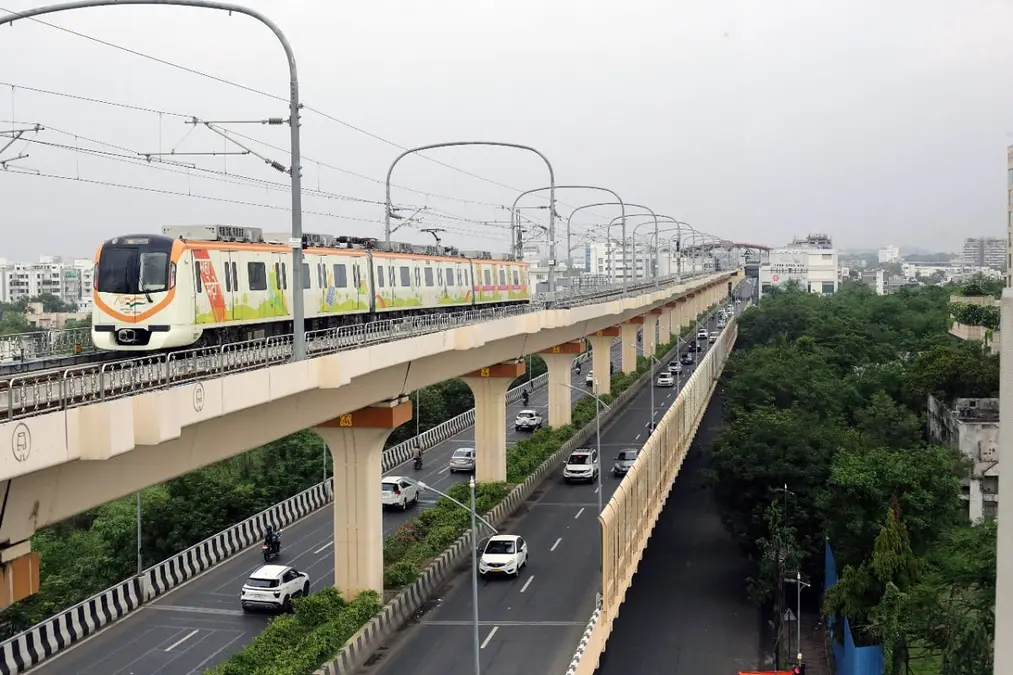


Nagpur, often called the heart of India due to its central location, is witnessing a renewed push to gain Metro City status. This move is not merely symbolic. It represents a strategic effort to unlock faster economic growth, attract large-scale investment, and position Nagpur as a major urban and business hub of central India. With expanding infrastructure, rising population, and strong political momentum, the demand for metro city recognition has gained serious traction.
What Is Metro City Status in India?
In India, metro city status is generally associated with large urban agglomerations that meet specific population and infrastructure benchmarks. Such cities usually have a population exceeding 50 lakh in their urban region and possess continuous urban development without significant rural breaks.
Metro cities receive higher priority in urban planning, better allocation of funds, and improved administrative classification. This status often leads to stronger participation in national urban development schemes and greater attention from domestic and global investors.
Why Nagpur Is Pushing for Metro City Recognition
Rapid Urban Expansion
Nagpur has grown far beyond its traditional municipal limits. Areas such as Besa, Beltarodi, Hingna, Kamptee Road, and MIHAN have become part of a continuously expanding urban landscape. This expansion has significantly increased the city’s functional population and economic footprint.
Strategic Geographic Advantage
Nagpur’s location at the center of India makes it a natural logistics, transport, and connectivity hub. This advantage strengthens its case for metro city classification, especially as supply chains, warehousing, and distribution sectors expand rapidly across the country.
Political and Administrative Momentum
The demand for metro city status has been raised repeatedly by political leaders, urban planners, and industry bodies. The argument is that Nagpur already performs many metro-like functions and should be officially recognized to ensure planned and sustainable development.
How Metro City Status Can Boost Growth
Higher Infrastructure Funding
Metro cities typically receive increased financial support for urban infrastructure projects such as roads, public transport, water supply, sewage systems, and housing. For Nagpur, this could mean faster completion of ongoing projects and quicker rollout of new ones.
Strengthening Public Transport and Mobility
Nagpur’s metro rail network is already operational and expanding. Metro city status can accelerate further investment in multimodal transport systems, feeder buses, smart traffic management, and last-mile connectivity, improving overall urban mobility.
Increased Investment Confidence
Recognition as a metro city enhances a city’s national and international profile. For investors, it signals stability, administrative priority, and long-term growth potential. This can attract investments in IT services, manufacturing, logistics, education, healthcare, and real estate.
Impact on Jobs and Economy
Metro city status can significantly boost employment opportunities. Large companies often prefer metro cities for setting up offices due to better infrastructure, skilled manpower, and quality of life. Nagpur could emerge as a preferred destination for global capability centers, startups, and service industries.
The ripple effect would benefit small and medium enterprises, local traders, and the informal sector, leading to inclusive economic growth across Vidarbha.
Real Estate and Urban Development Opportunities
With higher investment inflow and better planning, real estate development in Nagpur is expected to grow in a more structured manner. Affordable housing, commercial complexes, business parks, and mixed-use developments could see increased demand. Planned expansion can also help prevent unregulated urban sprawl.
Challenges That Need Attention
Despite strong potential, achieving metro city status requires:
- Clear definition of urban agglomeration boundaries
- Updated population and planning data
- Coordinated governance between multiple civic bodies
- Sustainable development policies to protect environment and quality of life
Addressing these challenges will be crucial to ensure that growth remains balanced and citizen-centric.
Conclusion
Nagpur’s push for metro city status reflects its evolving role in India’s urban and economic landscape. With its strategic location, growing population, expanding infrastructure, and strong development vision, Nagpur is well-positioned to become the next major metro of Maharashtra.