
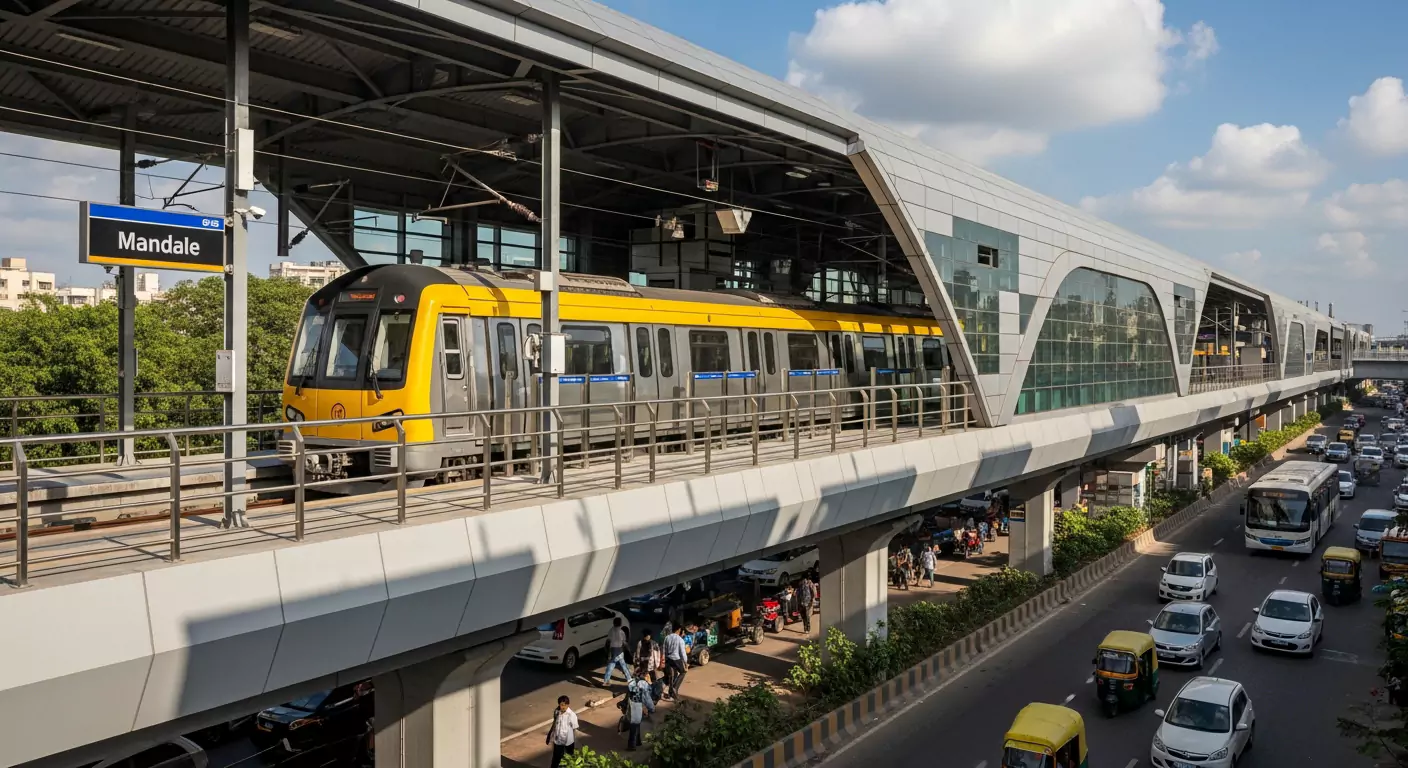
Mumbai’s rapid urbanization demands efficient mass transit solutions, and Mumbai Metropolitan Region Development Authority (MMRDA) continues to expand metro connectivity across the city. Among the most strategic projects is Mumbai Metro Line 2B, which will soon include a new 6th station between Mandale and Chembur to improve access and reduce travel times for commuters.
This planned addition promises to enhance connectivity in the eastern suburbs and unlock economic potential for local communities.
What Is Metro Line 2B?
Metro Line 2B is a key component of Mumbai’s evolving metro network:
- Also known as the Yellow Line, it forms a part of the long-term vision to decongest city traffic and integrate multimodal mobility.
- Line 2B will link Mandale (in northeast Mumbai) with Mankhurd and onward towards Bhakti Park, creating an important east-west transit axis.
- Once operational, the line will significantly reduce travel time for thousands of daily commuters across Mumbai’s eastern and central suburbs.
The proposal for a 6th station between Mandale and Chembur is a strategic enhancement to address rapidly growing commuter demand in the region.
Why a New Station Between Mandale & Chembur?
The decision to add an extra station is driven by multiple factors:
🛣️ 1. Rising Commuter Density
The stretch between Mandale and Chembur has seen rapid residential and commercial growth. A dedicated station here ensures balanced access for commuters who otherwise have longer walks or frequent vehicle transfers.
🚆 2. Better Accessibility
A middle station fills a transit gap, reducing the distance passengers must travel to reach the nearest metro access point. This improves public transit usability and encourages metro ridership.
🏘️ 3. Urban Development Benefits
New stations often become hubs for economic activity — catalyzing retail growth, office space demand, and real estate development in the surrounding areas.
♻️ 4. Traffic Decongestion
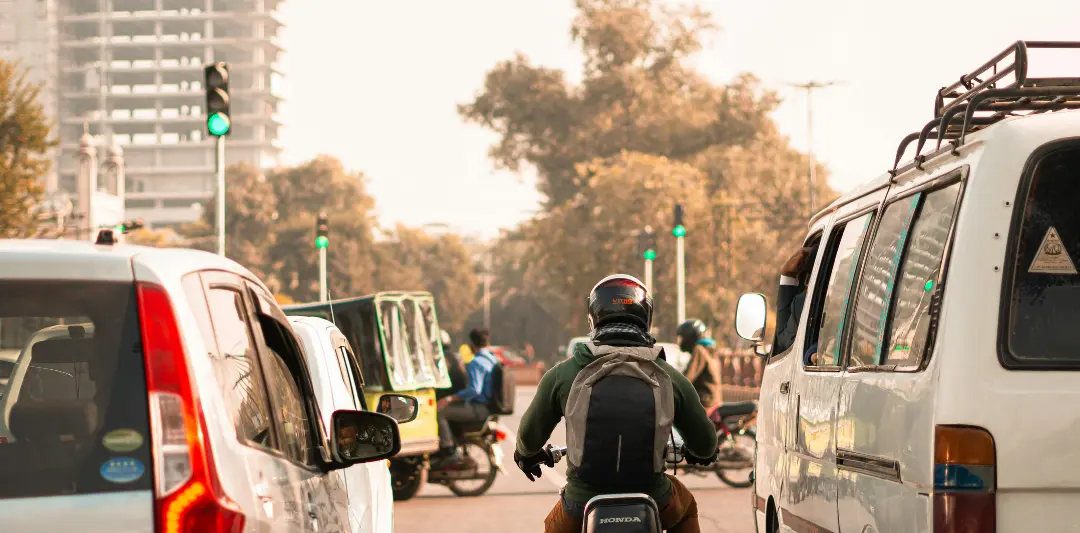
The eastern suburbs routinely experience heavy road traffic. Expanded metro access offers a sustainable alternative to cars and buses, reducing road congestion and pollution.
Location & Connectivity Advantages
The proposed 6th station is strategically positioned to serve:
- Local residential clusters that lacked direct metro access
- Educational and commercial centers between Mandale and Chembur
- Commuters heading towards major employment zones in central Mumbai
Added connectivity benefits include easier transfers between metro lines, buses, and other last-mile services such as auto-rickshaws and shared mobility options.
Project Timeline & Implementation
While official commissioning dates may vary, the general phases include:
- Survey & Alignment Finalization
Detailed ground surveys determine the precise design and alignment of the new station. - Land & Rights-of-Way Clearances
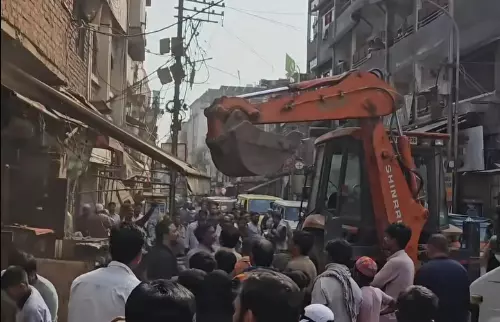
Urban transit projects require coordination with local authorities to secure land and regulatory approvals. - Elevated Structure & Track Laying
Line 2B primarily uses elevated corridors, making construction faster and less disruptive than underground tunneling. - Systems & Safety Integration
Signaling, communication, and passenger systems are integrated to ensure safety and operational efficiency. - Trial Runs & Commissioning
Before opening to the public, extensive trial runs ensure reliability and safety.
Economic & Social Impact
The addition of a new station between Mandale and Chembur is expected to:
- Increase commuter convenience and choice
- Boost local business footfall
- Expand employment catchment areas
- Raise property values in the vicinity
- Strengthen public transit reliance over private vehicles
Residents and daily commuters often experience a tangible improvement in quality of life when metro infrastructure reduces travel time and cost.
Urban Planning & Sustainability Angle
Metro infrastructure supports sustainable cities by:
- Reducing carbon emissions through mass transit adoption
- Easing surface traffic pressure
- Enabling transit-oriented development (TOD)
- Encouraging pedestrian-friendly neighbourhoods
Mumbai’s metro expansion is designed to complement the suburban railway and bus networks — creating a layered, efficient urban mobility ecosystem.
Challenges & Considerations
Major infrastructure additions also face complexities such as:
- Land acquisition and regulatory clearances
- Minimising disruption during construction
- Ensuring station accessibility and last-mile connectivity
- Balancing cost with long-term benefits
However, proactive planning and community consultation help mitigate these challenges.
Conclusion
The proposed 6th station on Mumbai Metro Line 2B between Mandale and Chembur symbolizes forward-thinking transport planning aimed at addressing the needs of a growing metropolis. As MMRDA continues its mission to develop an integrated metro network, this new station will play a key role in improving daily commutes, fostering economic growth, and enhancing sustainable urban mobility in Mumbai.