
Heatwave Conditions Intensify Across India
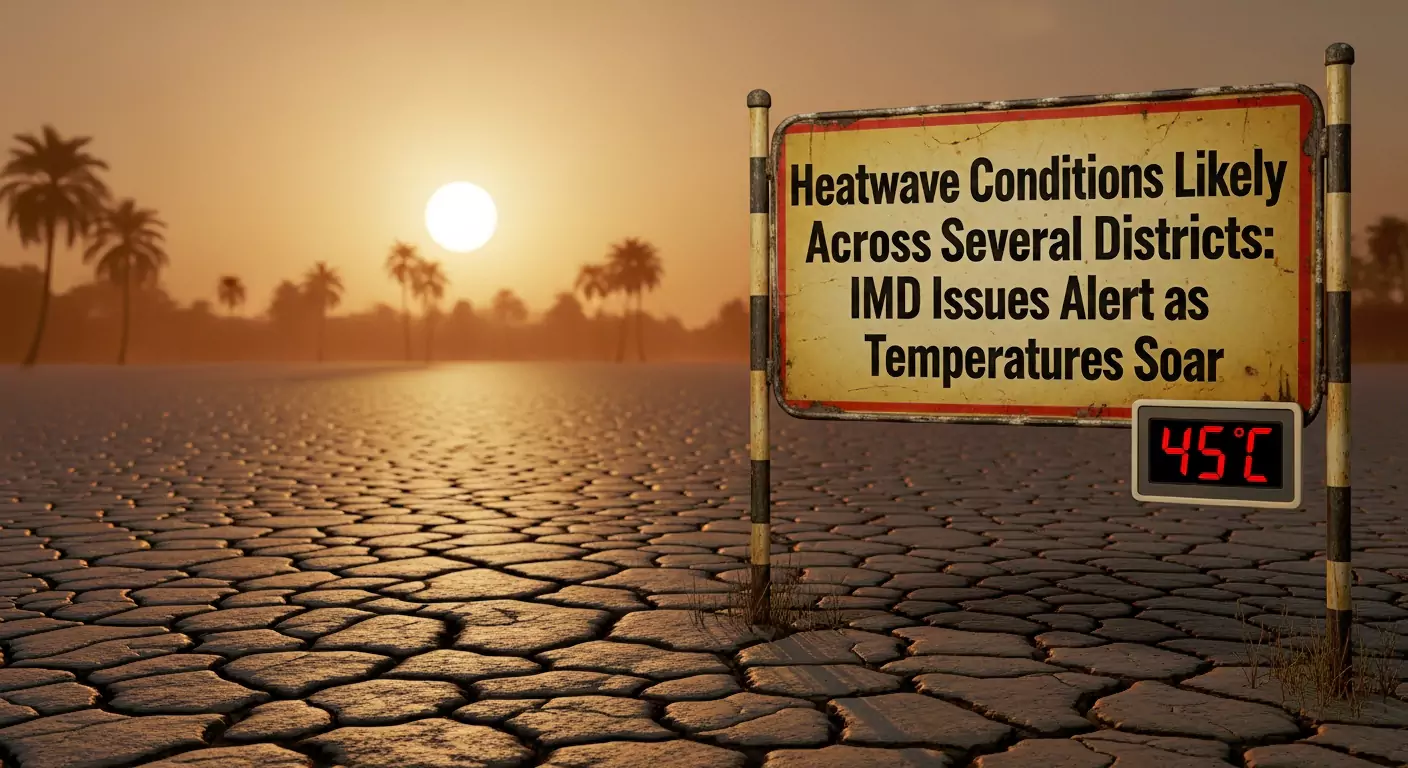
Several districts across India are likely to experience severe heatwave conditions as daytime temperatures continue to rise sharply. According to the India Meteorological Department, maximum temperatures in many regions are expected to remain significantly above normal, triggering heatwave alerts.
The warning comes amid a sharp rise in pre-summer temperatures, with some areas already recording figures above 40–45°C. Authorities have advised citizens to take precautionary measures to prevent heat-related illnesses.
What Is a Heatwave?
A heatwave is declared when:
- The maximum temperature crosses 40°C in plains and is 4–6°C above normal.
- The temperature touches or exceeds 45°C, regardless of departure from normal.
Such conditions increase the risk of dehydration, heat exhaustion, and heatstroke — particularly among children, the elderly, and outdoor workers.
Regions Likely to Be Affected
Heatwave conditions are typically observed in:
- North and Central India
- Parts of Western India
- Interior districts of Maharashtra and Madhya Pradesh
- Some eastern states during prolonged dry spells
In cities like Nagpur, known for extreme summer heat, temperatures often surge beyond 44°C during peak heatwave periods. District administrations are closely monitoring weather developments and preparing emergency response plans.
Why Temperatures Are Rising
Meteorologists attribute the heatwave conditions to:
- Persistent dry winds
- Clear skies with strong solar radiation
- Delay in pre-monsoon showers
- Changing climate patterns
The absence of cloud cover allows direct sunlight to heat the surface intensely, leading to soaring daytime temperatures.
Health Risks During Heatwaves
Prolonged exposure to extreme heat can cause:
- Heat cramps
- Heat exhaustion
- Heatstroke (medical emergency)
- Severe dehydration
- Low blood pressure
Hospitals often report a spike in heat-related cases during such periods. Medical experts advise avoiding direct sunlight during peak afternoon hours.
Government and Administration Advisory
District authorities are expected to:
- Issue public health advisories
- Set up drinking water points in public places
- Monitor vulnerable populations
- Coordinate with healthcare facilities
Schools in some districts may adjust timings if temperatures rise further.
Heatwave Safety Tips
To stay safe during extreme heat:
✅ Drink plenty of water, even if not thirsty
✅ Avoid stepping out between 11 AM and 4 PM
✅ Wear light-colored, loose cotton clothes
✅ Use caps, umbrellas, or scarves outdoors
✅ Avoid heavy physical activity during peak heat
✅ Never leave children or pets inside parked vehicles
Impact on Daily Life
Heatwaves not only affect health but also disrupt:
- Power consumption (due to high AC usage)
- Water supply demand
- Agricultural activities
- Outdoor work schedules
Urban areas may experience higher night temperatures due to the “urban heat island” effect.
What to Expect Next
Weather experts suggest that the heatwave conditions may persist for several days unless there is rainfall or a significant change in wind patterns. Citizens are advised to stay updated with official weather bulletins.
As temperatures climb, preparedness and awareness remain the strongest defenses against heat-related risks.