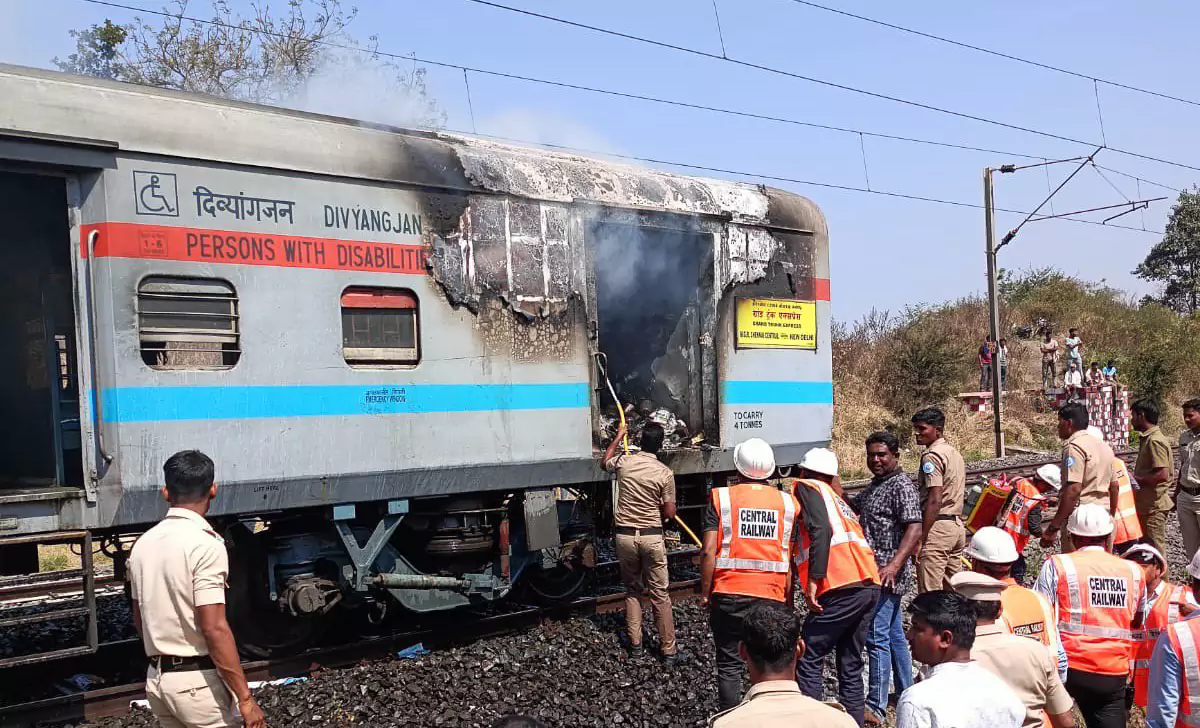

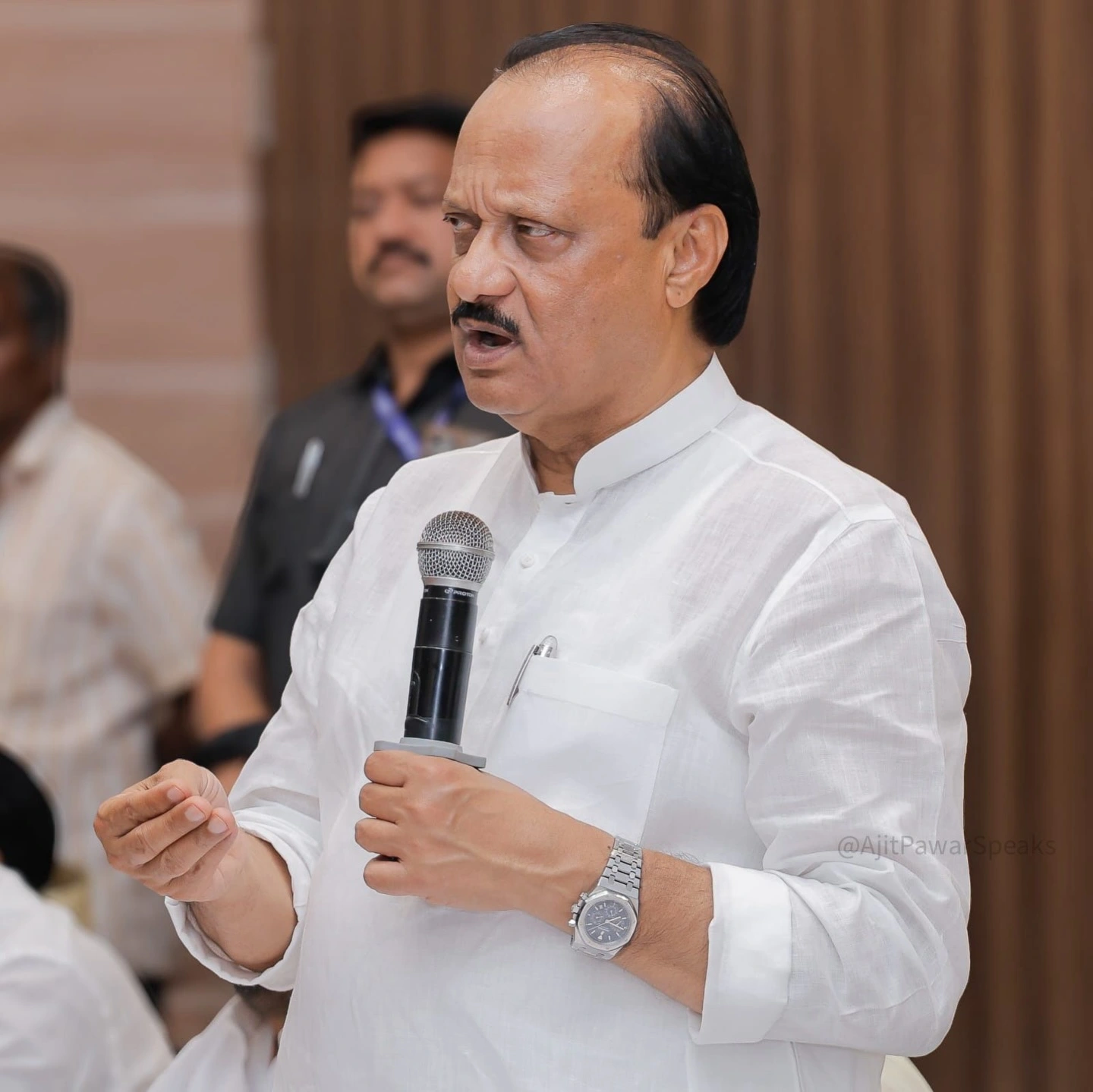
On the morning of January 28, 2026, a chartered aircraft carrying Maharashtra’s Deputy Chief Minister Ajit Pawar crashed while attempting to land at Baramati airport in Pune district. The aircraft, believed to be a Learjet 45, was flying from Mumbai to Baramati where Ajit Pawar was scheduled to attend multiple public meetings ahead of local elections. Initial reports from aviation authorities confirmed that the plane suffered a catastrophic crash during the final approach to the runway, resulting in a massive fire and severe structural damage.
Eyewitness accounts describe the aircraft descending toward the runway before suddenly crashing and bursting into flames, with locals rushing to assist but unable to reach inside due to the intense blaze.
Tragically, all on board lost their lives. Ajit Pawar was accompanied by his personal security officer, an attendant, and two pilots. Emergency responders, including fire and rescue teams, were swiftly deployed to the crash site; however, the severity of the impact and ensuing fire left no survivors. The Directorate General of Civil Aviation (DGCA) has launched a formal investigation into the cause of the crash, with early speculation pointing toward a possible technical issue or malfunction during landing.
The news sent shockwaves through Maharashtra and India, triggering an outpouring of grief across political and public spheres. Leaders from various parties expressed condolences, and citizens mourned the sudden loss of a towering figure in the state’s political landscape. The accident has also paused many local political activities out of respect for the departed leader.
Ajit Pawar: From Grassroots Leader to Maharashtra Stalwart
Early Life and Entry into Public Service
Ajit Anantrao Pawar, popularly known as Ajit Dada, was born on July 22, 1959, in Deolali Pravara in Ahmednagar district, Maharashtra. His political journey began humbly in the cooperative sector — a movement that has been central to rural Maharashtra’s economic and social life. Early involvement in cooperative sugar factories and banking gave him a deep understanding of grassroots issues and the trust of rural communities.
Political Rise and Legislative Success
Pawar’s ascent into electoral politics was steady and significant:
- He first entered public service through the cooperative movement, where his leadership roles helped him build a strong base in rural Maharashtra.
- He was elected to the Maharashtra Legislative Assembly from the Baramati constituency multiple times, showcasing his deep connect with the people and his ability to deliver on local development.
- Over the years, Pawar became known as a six-term MLA, a testament to the continued faith placed in him by his constituents.
Statesman and Administrator
Ajit Pawar’s influence extended far beyond his constituency:
Fiscal Leadership
He was widely recognized as one of Maharashtra’s most capable finance strategists. Handling the Finance & Planning portfolio multiple times, Pawar presented numerous state budgets and played a pivotal role in shaping Maharashtra’s economic roadmap.
Key Ministerial Roles
Apart from finance, his leadership spanned vital departments such as Water Resources, Energy, Rural Development, and State Excise. His administrative skills and policy insight were instrumental in state governance.
Deputy Chief Minister
Pawar served as Deputy Chief Minister of Maharashtra on multiple occasions, making him one of the longest-serving figures in this position. His tenure saw collaboration with different chief ministers and was marked by his ability to navigate complex political landscapes and coalition dynamics.
Political Strategy and Influence
Ajit Pawar was not just an effective administrator; he was a political strategist known for maneuvering through shifting alliances and legislative challenges. His role in Maharashtra politics was often characterized by his deep understanding of political math, coalition negotiations, and state agenda setting.
His decisions influenced the state’s political direction, and his leadership style earned him respect — sometimes even from political opponents.
Personal Life and Values
Ajit Pawar was known for balancing his political intensity with a personal side that valued family and community. He is survived by his wife and two sons, who stood by him through the ups and downs of public life. His efforts to uplift rural regions, strengthen infrastructure, and empower local voices remain part of his lasting legacy.
Legacy, Mourning, and Collective Memory
The plane crash that took Ajit Pawar’s life has left a profound sense of loss across Maharashtra and the broader Indian political fabric. Known affectionately as Dada — a Marathi term of respect and endearment — his leadership will be remembered for:
- Empowering grassroots communities through decades of service.
- Shaping state fiscal policy with analytical rigor and strategic foresight.
- Political resilience that adapted to and influenced shifting state alliances.
- Mentorship and public service ethos that inspired many young leaders.
His death is not just a political loss but a moment of collective grief for a leader who represented tenacity, service, and unwavering engagement with the people of Maharashtra.
Conclusion: A Tribute to Ajit Dada
Ajit Pawar’s sudden and tragic death in the Baramati plane crash underscores how unpredictable life can be, even for seasoned leaders. Yet, his legacy — forged through decades of political service, administrative achievements, and grassroots connection — will endure in Maharashtra’s history.