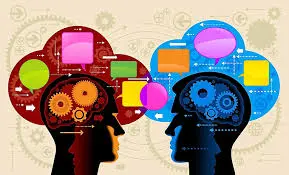

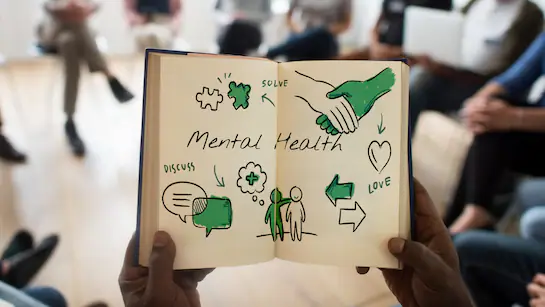
In recent years, mental wellness has moved from being a private concern to a public conversation across India. What was once rarely discussed is now becoming one of the most important lifestyle priorities for individuals, families, workplaces, and educational institutions. From students managing academic pressure to professionals coping with fast-paced careers, the focus on emotional health and psychological balance is stronger than ever.
This shift reflects a broader cultural change where people are recognizing that true success includes not only physical health and financial stability, but also mental well-being.
Growing Awareness Around Mental Health
One of the biggest reasons behind this trend is increased awareness. Conversations around stress, anxiety, burnout, and emotional resilience are becoming more common in everyday life. Social discussions, workplace initiatives, and educational programs are helping people understand that mental wellness is essential, not optional.
As awareness grows, more individuals are willing to acknowledge challenges and seek healthier ways to manage them.
Fast-Paced Lifestyles Are Driving the Change
Modern urban living has brought new opportunities but also new pressures. Competitive careers, academic expectations, financial responsibilities, and digital overload have made daily life more demanding.
As a result, people are actively searching for balance through:
- Mindfulness practices and meditation
- Work-life balance improvements
- Digital detox routines
- Therapy and counseling support
- Fitness and self-care habits
Mental wellness is now viewed as a foundation for productivity and long-term happiness.
Workplaces Are Prioritizing Employee Well-Being
Organizations are increasingly recognizing that employee mental health directly impacts performance, creativity, and retention. Many workplaces are introducing flexible work policies, wellness programs, stress-management sessions, and mental health leave options.
This shift signals that mental wellness is no longer just a personal issue—it is becoming a professional and organizational priority.
Youth and Students Leading the Conversation
Young people are playing a major role in normalizing mental health discussions. Students and early professionals are more open about emotional challenges and more proactive about seeking support.
Their approach emphasizes:
- Emotional intelligence
- Healthy boundaries
- Self-awareness
- Sustainable ambition rather than burnout-driven success
This generational mindset is helping reshape how society defines achievement and well-being.
The Influence of Digital Culture and Social Awareness
Digital platforms have also contributed to the growing focus on mental wellness. Content related to self-care, productivity balance, therapy awareness, and stress management is reaching wider audiences than ever before.
While excessive screen time can contribute to stress, digital spaces are also helping people learn coping strategies, share experiences, and feel less alone in their struggles.
Mental Wellness as a Lifestyle Choice
What makes this trend significant is that mental health is no longer addressed only during crises. People are adopting preventive approaches—prioritizing sleep, relaxation, hobbies, social connections, and emotional growth as part of daily routines.
Mental wellness is evolving into a lifestyle choice that influences how people work, study, socialize, and plan their future.
Conclusion
Mental wellness is rapidly becoming one of India’s most important lifestyle priorities because people are realizing that emotional stability is the foundation of a fulfilling life. As awareness increases, workplaces evolve, and younger generations promote healthier perspectives, the focus on mental well-being is likely to grow even stronger.
In the years ahead, success will not be measured only by achievements or income, but also by how well individuals maintain balance, resilience, and inner peace. The rise of mental wellness signals a healthier, more conscious society—one that values both progress and peace of mind.