

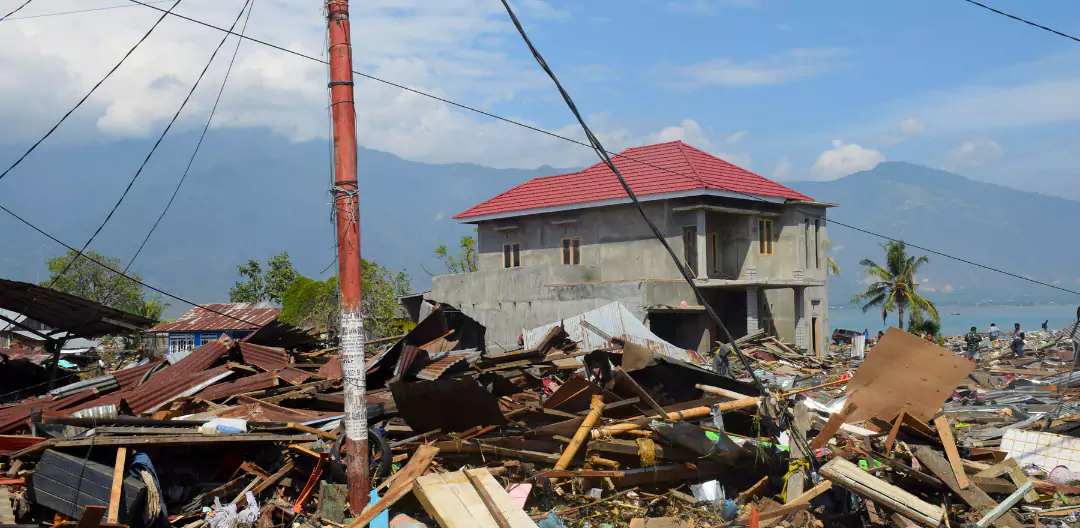
Asia continues to grapple with natural disasters, as Nepal was recently struck by a magnitude-4.1 earthquake, adding to the region’s ongoing challenges related to climate change and seismic activity. Though relatively moderate, the quake serves as a reminder of the Himalayas’ vulnerability to frequent tremors.
Details of the Nepal Earthquake
- The earthquake was recorded at magnitude 4.1, centered in a seismically active zone in Nepal.
- Tremors were felt in several districts, though preliminary reports suggest minimal structural damage and no immediate casualties.
- Local authorities have activated disaster response teams to assess and monitor vulnerable areas, particularly in rural and mountainous regions.
Why Nepal is Prone to Earthquakes
Nepal lies in the seismically active Himalayan belt, where the Indian plate collides with the Eurasian plate. This makes the region highly susceptible to:
- Frequent low- and moderate-intensity tremors
- Occasional major earthquakes with destructive potential
- Landslides and secondary hazards triggered by seismic activity
Historically, Nepal has experienced devastating earthquakes, the most significant in recent memory being the 2015 Gorkha earthquake, which caused thousands of deaths and extensive damage.
Impacts and Precautions
Even a moderate earthquake like this can have several impacts:
- Infrastructure stress: Older buildings may experience cracks or minor damage.
- Public awareness: Such events remind citizens and authorities to remain prepared for evacuation and safety drills.
- Aftershock risks: Earthquakes of this magnitude can trigger smaller aftershocks in the coming hours or days.
Authorities advise residents to stay alert, avoid unstable structures, and report any damage to local disaster management teams.
Asia’s Growing Exposure to Natural Disasters
This earthquake is part of a larger pattern affecting Asia, which faces frequent natural disasters including:
- Cyclones and typhoons across Southeast Asia
- Floods in South and Southeast Asia
- Earthquakes and landslides in the Himalayan and Indonesian regions
Climate change is amplifying the intensity and unpredictability of some natural events, making preparedness and resilient infrastructure more crucial than ever.
Conclusion
The recent magnitude-4.1 earthquake in Nepal serves as a reminder that natural disasters remain a persistent threat across Asia. Strengthening disaster management systems, building earthquake-resistant infrastructure, and raising public awareness are essential steps to minimize human and economic losses in such vulnerable regions.