

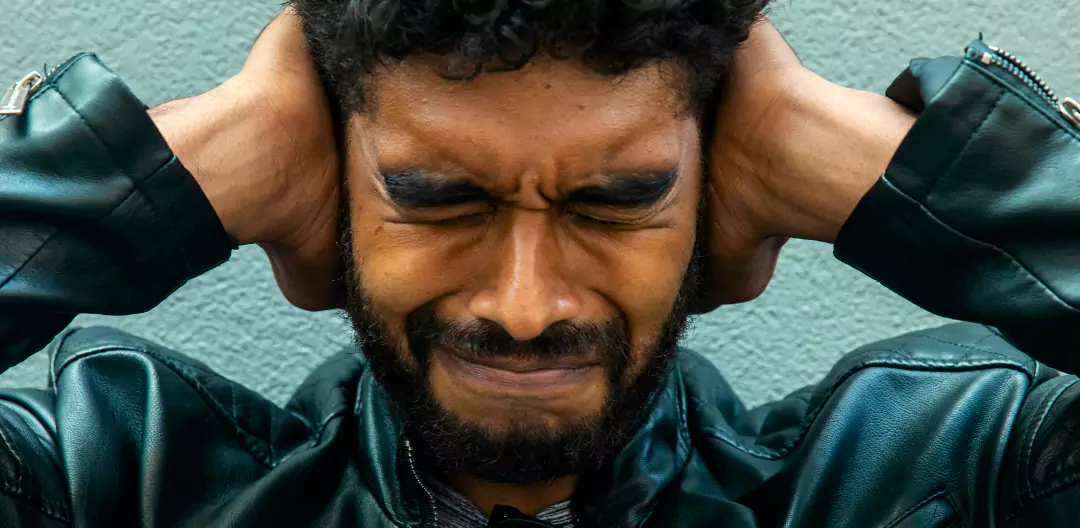
Nagpur city is facing a serious noise pollution crisis, and the Bombay High Court (Nagpur Bench) has recently taken suo moto cognizance of this recurring problem. The court has specifically pointed out that several clubs, temples, and Dargahs have been conducting activities such as bhajans, azans, and celebrations in violation of permissible noise limits, disturbing the daily lives of residents.
📌 Current Situation
- Only a few authorities enforce noise regulations, allowing loudspeakers and sound systems to operate unchecked.
- Activities often continue late into the night, affecting sleep and overall well-being.
- High-decibel noise from religious events, social gatherings, and clubs has become a daily nuisance, causing stress and discomfort to nearby residents.
⚠️ Health Impacts of Noise Pollution
Continuous exposure to high noise levels can have serious health consequences, including:
- Sleep disturbances and fatigue
- Stress, anxiety, and irritability
- Hearing impairment in extreme cases
- Cardiovascular issues and high blood pressure
- Reduced concentration and productivity
This makes noise pollution not just a nuisance but a public health concern, especially in densely populated areas.
📜 Legal Context
- Noise Pollution (Regulation and Control) Rules, 2000 set specific decibel limits for different zones: residential, commercial, industrial, and silent zones.
- Residential areas generally must not exceed 55 dB during the day and 45 dB at night.
- Silent zones near schools, hospitals, and courts are even more strictly regulated.
- Any violation can lead to fines, legal action, or closure of offending establishments.
The High Court’s intervention highlights that despite clear laws, enforcement has been weak, prompting the judiciary to take direct action.
✅ Recommendations
For Authorities
- Enforce strict compliance with decibel limits and operational timings.
- Monitor clubs, temples, and event venues for ongoing violations.
- Impose fines or penalties on repeat offenders to ensure accountability.
- Conduct public awareness campaigns about the health hazards of noise pollution.
For Citizens
- Report repeated noise violations to local authorities.
- Advocate for quiet hours in residential areas.
- Encourage religious and social organizations to balance tradition with civic responsibility.
- Educate communities about the effects of noise pollution on health and daily life.