
Introduction
Remote work has transformed from a temporary arrangement into a long-term professional model. In 2026, companies across industries are adopting hybrid or fully remote systems to improve flexibility, reduce costs, and attract global talent.
Understanding remote work trends helps professionals prepare for future career opportunities.
Hybrid Work Models Are Becoming Standard
Many organizations now combine office and remote schedules. Employees work from home most days while visiting offices only when necessary.
This model balances collaboration and flexibility while improving productivity.
Global Hiring Is Expanding Opportunities
Companies are no longer restricted to hiring within one city. Skilled professionals can now work for organizations located in different countries without relocating.
This global hiring trend increases job opportunities and encourages skill-based recruitment.
Digital Skills Are Essential for Remote Success
Remote professionals must develop:
- Strong communication skills
- Time management discipline
- Familiarity with digital collaboration tools
- Self-motivation and accountability
Employers value individuals who can manage responsibilities independently.
Work-Life Balance Is Improving
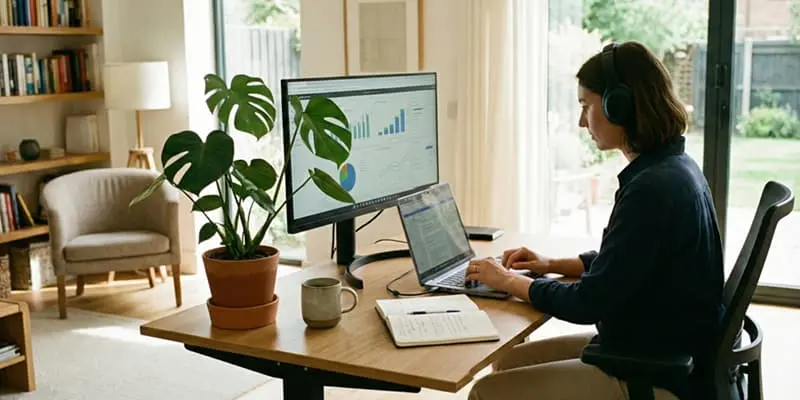
Remote work reduces commuting time and allows more flexibility for personal activities. However, professionals should maintain structured routines and dedicated workspaces to avoid burnout.
Healthy boundaries are key to long-term productivity.
Conclusion
Remote work in 2026 is not just a trend — it is the future of employment. Hybrid models, global hiring, and digital collaboration tools are reshaping how people build careers.
Professionals who adapt to remote work culture, improve digital skills, and maintain discipline will enjoy better opportunities and career growth in this evolving workplace environment.