

Introduction
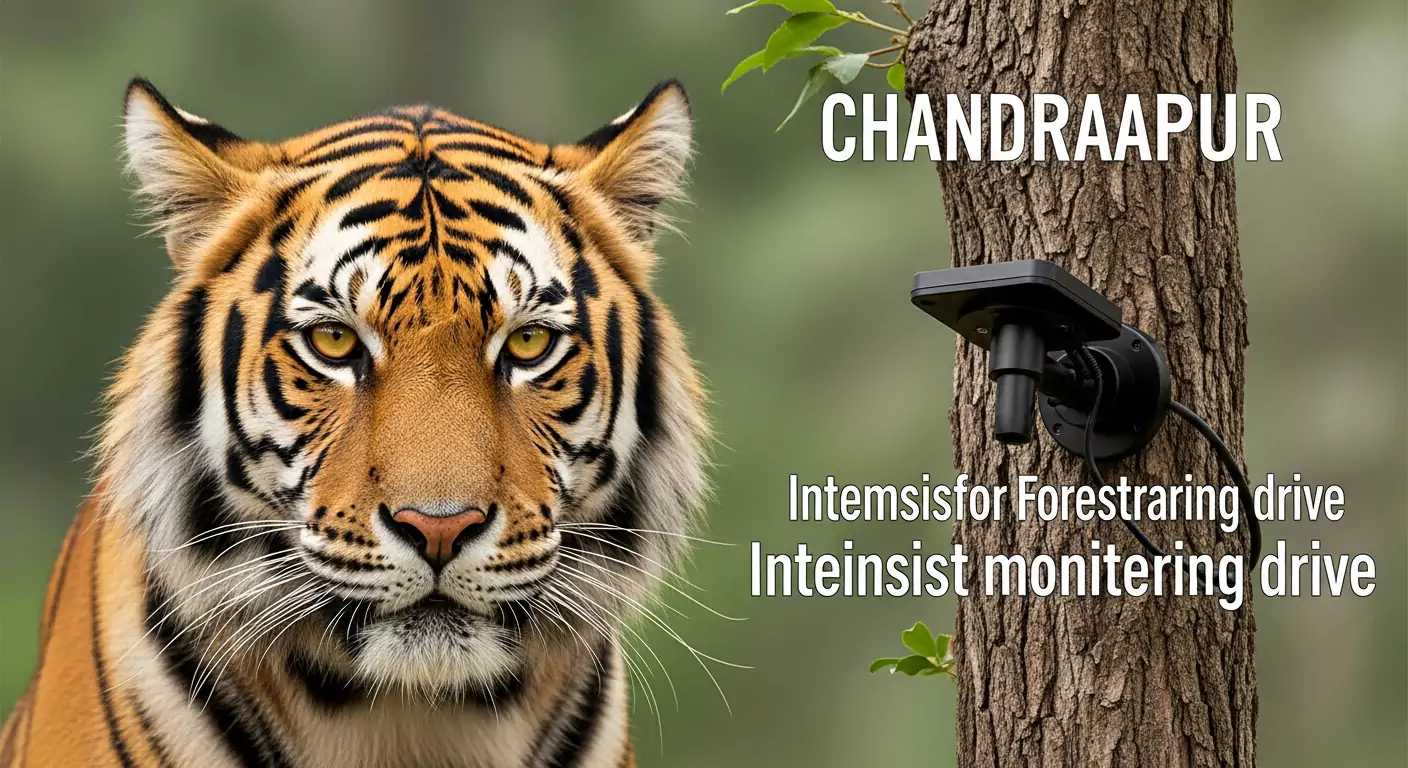
The Chandrapur Forest Department has intensified its tiger monitoring drive, reinforcing its commitment to wildlife conservation in one of Maharashtra’s most ecologically significant regions. Known for its dense forest corridors and high tiger density, Chandrapur plays a critical role in India’s tiger conservation framework.
With increasing human-wildlife interaction and expanding infrastructure, enhanced monitoring has become essential to ensure both ecological balance and public safety.
Why Chandrapur Is Crucial for Tiger Conservation
Chandrapur district is home to forest divisions connected to major tiger habitats, including buffer zones and corridors linked to Tadoba Andhari Tiger Reserve, one of India’s most prominent tiger reserves.
Ecological Importance:
- Acts as a vital wildlife corridor in Vidarbha
- Supports a significant tiger population outside core reserves
- Connects multiple forest ranges across central India
The district’s forest landscape includes teak forests, bamboo clusters, water bodies, and prey species that support tiger survival.
Key Components of the Intensified Monitoring Drive
🐅 1. Advanced Surveillance Systems
The department is increasing the deployment of:
- Camera traps
- GPS tracking mechanisms
- Drone surveillance in sensitive zones
- Real-time data collection tools
These technologies help track tiger movement, monitor territorial shifts, and detect potential conflict zones.
🚨 2. Anti-Poaching Operations
Special forest squads have intensified patrolling in:
- Vulnerable forest patches
- Wildlife corridors
- Border areas connecting other districts
Regular night patrols and intelligence gathering are being strengthened to curb illegal activities.
🌿 3. Human-Wildlife Conflict Management
With rising urban expansion and agricultural activities near forest boundaries, tiger sightings near villages have increased.
Preventive measures include:
- Early warning systems for villagers
- Rapid response teams
- Compensation mechanisms for livestock loss
- Awareness programs in rural areas
The goal is to reduce panic while ensuring animal safety.
Data-Driven Conservation Approach
The tiger monitoring drive now emphasizes scientific data collection, including:
- Identification of individual tigers through stripe patterns
- Tracking dispersal patterns of sub-adult tigers
- Monitoring prey base density
- Habitat health assessment
This evidence-based approach supports sustainable conservation planning rather than reactive measures.
Challenges Faced by the Forest Department
Despite efforts, multiple challenges remain:
⚠️ Habitat Fragmentation
Infrastructure development and mining activities in some parts of Chandrapur pose risks to wildlife corridors.
⚠️ Climate Impact
Changing rainfall patterns affect water sources and prey movement.
⚠️ Population Pressure
Expanding settlements near forest peripheries increase accidental encounters.
Impact on Tourism & Local Economy
A healthy tiger population boosts eco-tourism in the region. Increased monitoring ensures:
- Safer safari experiences
- Sustainable tourism management
- Employment opportunities for local communities
- Strengthened conservation awareness
Tiger conservation not only protects biodiversity but also supports livelihoods in forest-dependent areas.
Future Roadmap
The intensified tiger monitoring drive signals long-term strategic goals:
- Expansion of smart surveillance networks
- Collaboration with wildlife researchers
- Community-based conservation programs
- Strengthening wildlife corridors across Vidarbha
The integration of technology, policy support, and community engagement is expected to improve coexistence between humans and wildlife.
Conclusion
The Chandrapur Forest Department’s decision to intensify tiger monitoring reflects a proactive approach to conservation in Maharashtra’s wildlife heartland. With advanced tracking systems, anti-poaching initiatives, and conflict mitigation strategies, the region is strengthening its ecological security framework.