
Introduction
In a high-profile discussion, Emmanuel Macron, President of the French Republic, offered deep insights into global technology competition, digital innovation strategies, and geopolitical leadership. Covering topics from Europe’s struggle in the Big Tech era to admiration for India’s digital platforms, Macron’s perspectives reflect strategic thinking on how nations can compete in the rapidly evolving digital economy.
This comprehensive analysis explores his views, the reasons behind Europe’s digital challenges, the strengths of India’s digital ecosystem, France’s future tech bets, and broader geopolitical implications.
Why Europe Lost the Big Tech Race
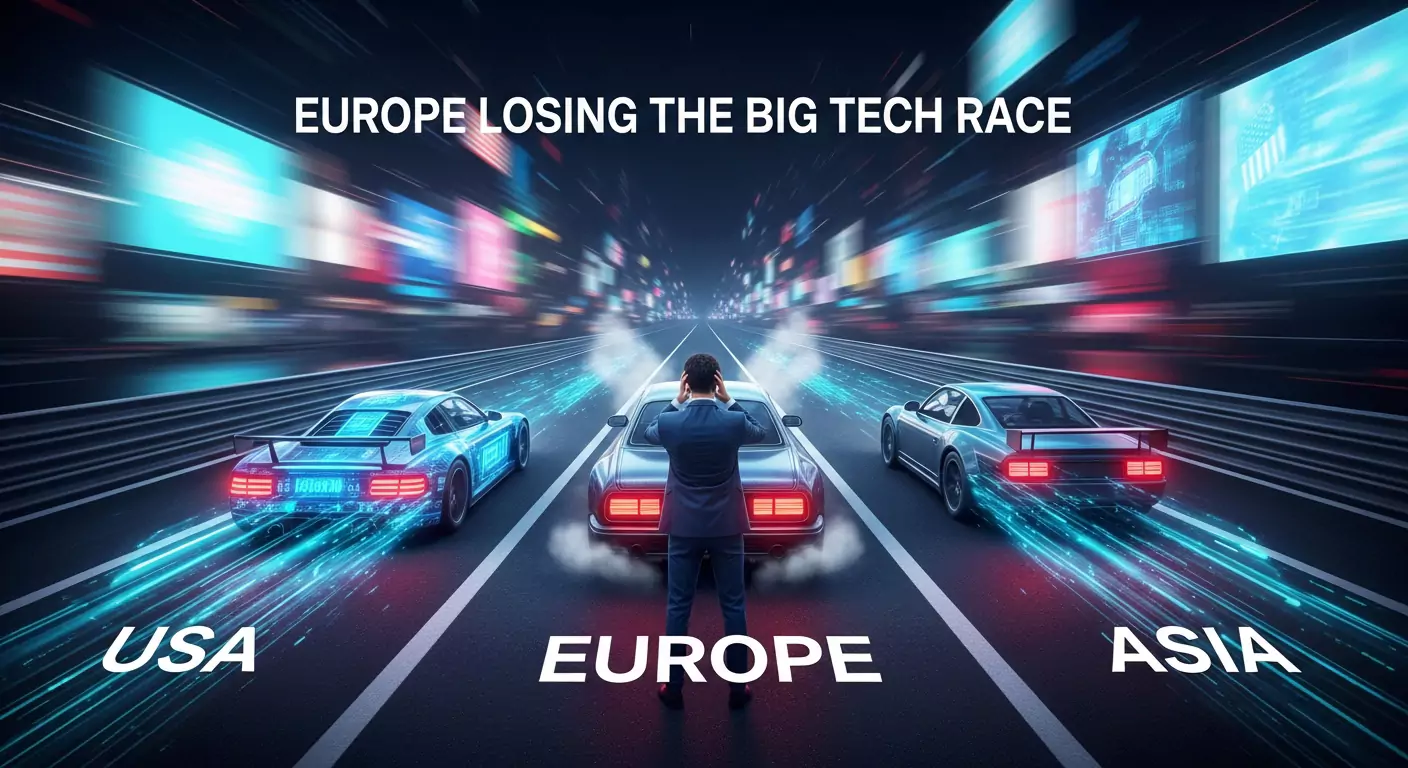
President Macron candidly addressed Europe’s struggles to produce global Big Tech champions comparable to the US and China. According to his analysis, several structural factors have held Europe back:
📉 1. Lack of Scale
European markets are fragmented across languages, regulations, and consumer preferences, making it difficult for startups to scale rapidly across borders. In contrast, the US has a unified market with a single dominant language and integrated regulatory environment.
💰 2. Capital Constraints
European venture capital pools are smaller relative to the US. Investors in Europe are traditionally more risk-averse, prioritizing stable returns over aggressive, high-growth tech bets.
⚠️ 3. Lower Risk Appetite
Europe’s cultural and financial ecosystems often favor incremental innovation over disruptive bets. This risk aversion limits the growth potential of tech ventures that require bold investment and long horizons.
According to Macron, without a shift in investment culture and regulatory harmonization, Europe may struggle to produce global technology giants.
Admiration for India’s Digital Public Infrastructure
One of the most notable parts of Macron’s assessment was his praise for India’s digital public infrastructure (DPI). Systems like:
- Aadhaar (Biometric Identity System)
- UPI (Unified Payments Interface)
- DigiLocker (Digital Document Repository)
represent global benchmarks in digital inclusion.
💡 Why India’s DPI Stands Out
- Scale without barriers: Aadhaar covers over a billion people, demonstrating how digital identity can be universal.
- Interoperability: UPI has revolutionized digital payments through seamless integration with banks and apps.
- Citizen-centric design: DigiLocker empowers users with secure access to personal documents.
Macron’s admiration reflects how DPI can drive financial inclusion, digital entrepreneurship, and governance efficiency — offering a model that other nations can learn from.
France’s Bet on Quantum Computing by 2035
Looking to the future, Macron outlined quantum computing as a strategic focus for France’s technological leadership. He envisions:
- Investing heavily in quantum research and development
- Creating a European hub for quantum innovation
- Competing with global powers in next-generation computing capabilities
Quantum computing offers exponential leaps in processing power, with potential applications in encryption, pharmaceuticals, material science, and artificial intelligence. Macron sees it as a frontier where Europe can regain competitive advantage.
Addressing Foreign Funding in AI Infrastructure
The rise of artificial intelligence has raised questions about funding sources, especially when foreign capital is involved. Macron responded to criticism by highlighting:
- France’s commitment to transparent, regulated foreign investment
- Ensuring national security while attracting global talent
- Balancing openness with sovereignty over critical technology infrastructure
His response underscores the need for responsible investment frameworks that support innovation while safeguarding strategic interests.
What France Offers Young Founders and Indian Students
Macron emphasized that France is positioning itself as an alternative to traditional tech hubs such as the US and UK. Key advantages he highlighted include:
🚀 1. Quality of Life & Supportive Environment
France promotes a balance between innovation and well-being, offering social infrastructure and cultural appeal.
📚 2. Education & Research Ecosystem
French universities and research institutions are strengthening tech programs, especially in areas like AI, cybersecurity, and engineering.
💼 3. Startup Support & Funding
Programs like French Tech and government incentives aim to support early-stage ventures with grants, tax benefits, and mentorship networks.
Macron specifically referenced opportunities for Indian students and founders to explore France as a destination for study, innovation, and entrepreneurship.
Response to Tensions with the US and Global Leadership Style
In addressing tensions between France (and Europe) and the United States, Macron emphasized a distinct leadership approach:
- Multilateral cooperation over unilateral action
- Regulated innovation that balances freedom and responsibility
- Strategic autonomy in technological development
Rather than confrontation, Macron advocates for collaboration where interests align, and independence where necessary.
Broader Implications for Global Tech Competition
Macron’s insights provide a strategic roadmap for nations trying to balance innovation, regulation, and economic growth. His thought leadership suggests that:
- Global tech leadership requires ecosystem thinking (capital, talent, market scale)
- Countries can leapfrog legacy systems with smart public infrastructure
- Future technologies like quantum computing will reshape competitive dynamics
- Innovation policy must align with national values and security
Conclusion
Emmanuel Macron’s reflections on Europe’s tech challenges and opportunities reveal a nuanced understanding of global competition. His admiration for India’s digital infrastructure emphasizes the importance of scale, design, and citizen focus.
France’s future strategies — particularly in quantum computing and structured innovation ecosystems — point to a vision that seeks not only technological excellence, but also ethical, inclusive, and sovereign innovation.
As nations navigate the 21st-century tech landscape, Macron’s perspective highlights the value of bold vision, strategic investment, and global cooperation.