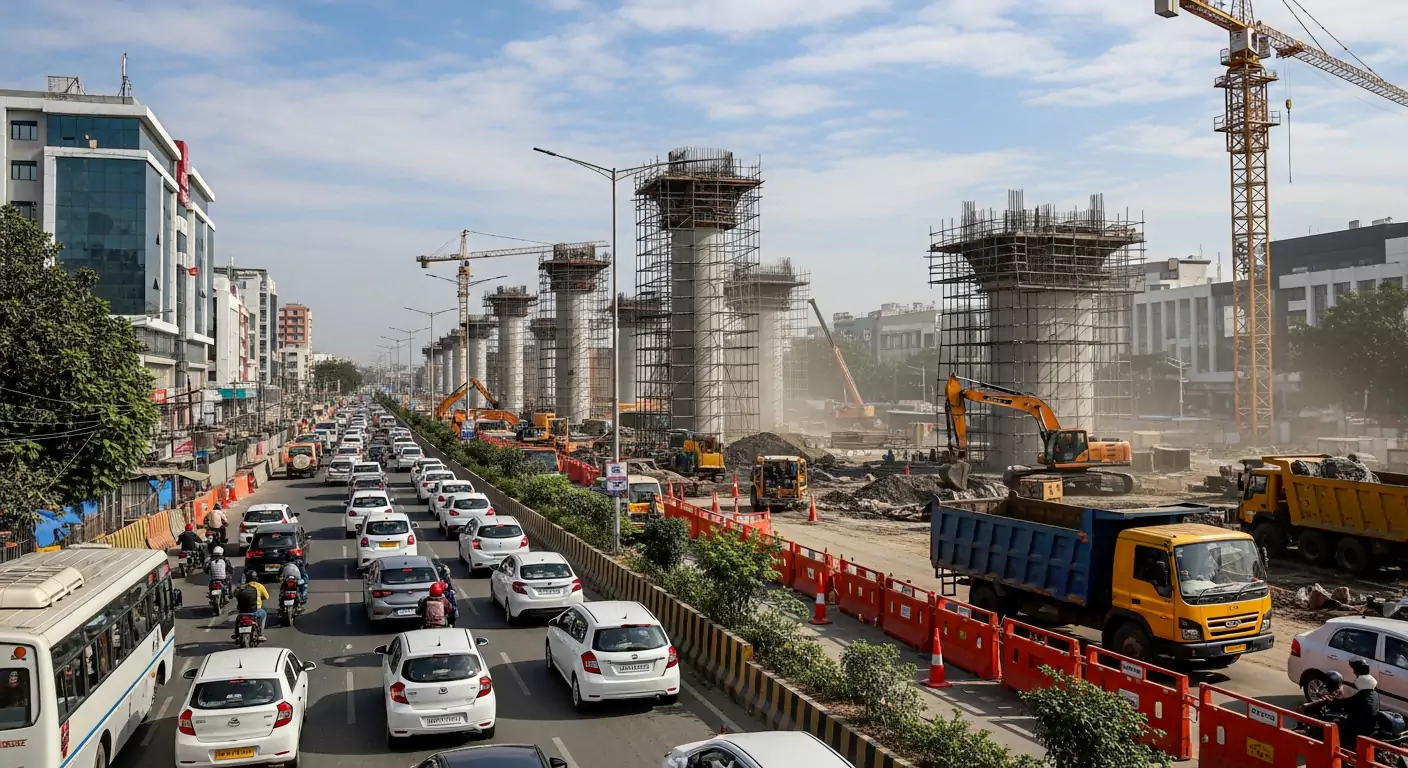

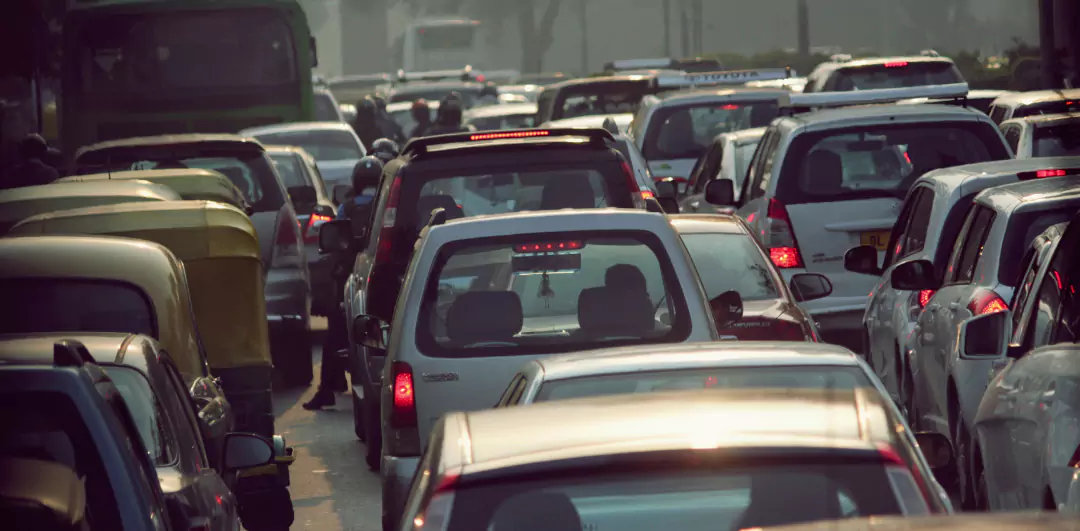
Nagpur, the “Tiger Capital of India,” is roaring louder than ever—but this time, it’s the sound of endless honking, bumper-to-bumper queues, and stressed commuters. What was once a calm, well-planned city is now battling daily traffic gridlocks across almost every major route. From Wardha Road to Sadar, the rising congestion is becoming a serious urban challenge for citizens, businesses, and emergency services.
Traffic in Nagpur isn’t just increasing—it’s escalating at an alarming pace, and here’s a clear look at why.
1. Exploding Vehicle Numbers
Nagpur’s vehicle population has grown faster than its road capacity.
Nearly every home now owns multiple two-wheelers or cars, adding thousands of new vehicles on roads every month. With limited public transport dependency, personal vehicles dominate the streets—causing unavoidable congestion, especially during peak hours.
2. Ongoing Construction Blocking Road Space
Metro expansions, new flyovers, cement roads, and repair works have squeezed road width in areas such as:
- Sitabuldi
- Pardi
- Besa–Beltarodi
- Automotive Square
- Manish Nagar
Essential work—but reduced road space + high vehicle density = daily traffic jams.
3. Encroachments + Illegal Parking = Chaos
Street vendors, temporary stalls, and unregulated roadside parking eat up half the road.
This problem is worst in:
- Itwari
- Mominpura
- Sitabuldi Market
- Cotton Market
A 4-lane road turns into a 2-lane choke point—creating instant bottlenecks.
4. Lane Indiscipline & Rash Commute Behaviour
Wrong-side driving, sudden U-turns, ignoring traffic lights, and overtaking without indicators disrupt smooth movement. Even a single mistake during peak hour can cause minutes of standstill traffic.
5. Peak-Time Pressure From Schools & Offices
School timings and office rush hours overlap between 8:30–11 AM and 5–8 PM.
Along with growing commercial hubs like MIHAN and Hingna, traffic volume has doubled in the last few years.
6. Weak Public Transport Dependence
Despite having metros and city buses, Nagpurians heavily rely on personal vehicles due to:
- Irregular bus frequency
- Limited last-mile connectivity
- Convenience factor
This creates a daily traffic burden that the city’s roads cannot handle.
7. Sudden Diversions & Weather Slowdowns
Monsoon waterlogging, fog, road blockages, and unplanned diversions often bring traffic to a halt—especially in low-lying or poorly lit areas.
What Can Reduce Nagpur’s Rising Traffic?
For Nagpur to breathe again, the city needs:
- AI-based adaptive traffic signals
- Strict action against illegal parking and encroachments
- Faster completion of flyovers and metro routes
- More multi-level parking facilities
- Better public transport reliability
- Citizen awareness on lane discipline
Smart reforms + public cooperation = A smoother, safer Nagpur.
Conclusion
Nagpur’s growing traffic jams highlight a rapidly expanding city struggling with outdated road capacity. Without immediate action, the situation will worsen, affecting daily life, business productivity, and emergency response. But with better planning, discipline, and modern traffic management, Nagpur can reclaim its smooth and efficient road experience.